Spray foam & cellulose insulation, air sealing and basement encapsulation for Central Maine homes. Efficiency Maine rebates available.
Drafty rooms, cold floors, ice dams and an oil tank that empties too fast are almost always the attic and the basement. We seal and insulate both, give you a firm written quote, and show you the Efficiency Maine rebate you likely qualify for.
Tell us about your home. We reply fast.
Efficiency Maine offers rebates on qualifying insulation and air sealing work, with the biggest rebates for low- and moderate-income households. We'll tell you which tier you likely fall into at your free assessment. Rebate amounts and eligibility are set by Efficiency Maine and can change. We'll confirm what applies to your home.
From the attic to the basement floor, across Central Maine. Tap any service for details.
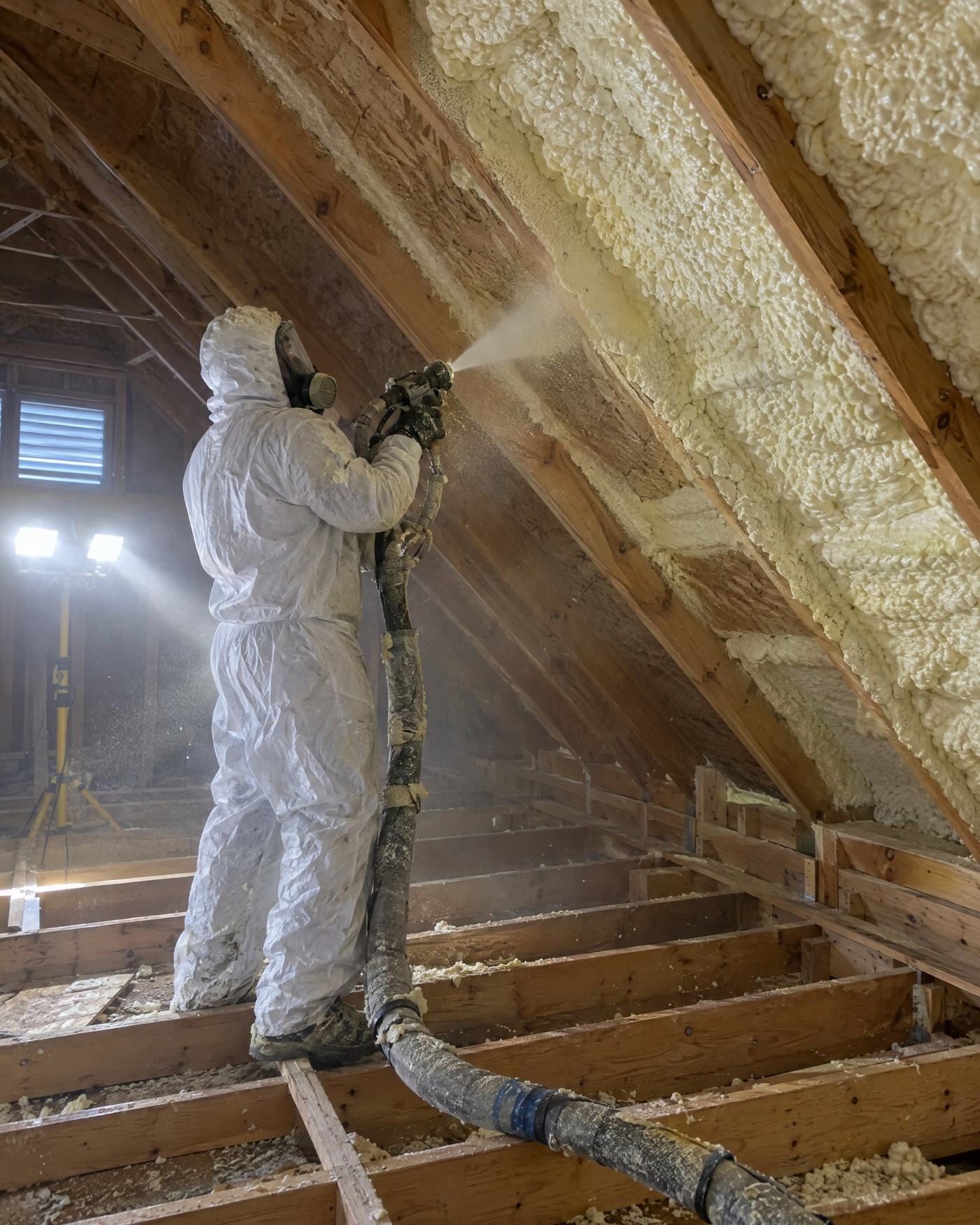
Stop heat from pouring out through the attic: fewer ice dams, warmer upstairs rooms and a furnace that isn't running all night.
Learn more →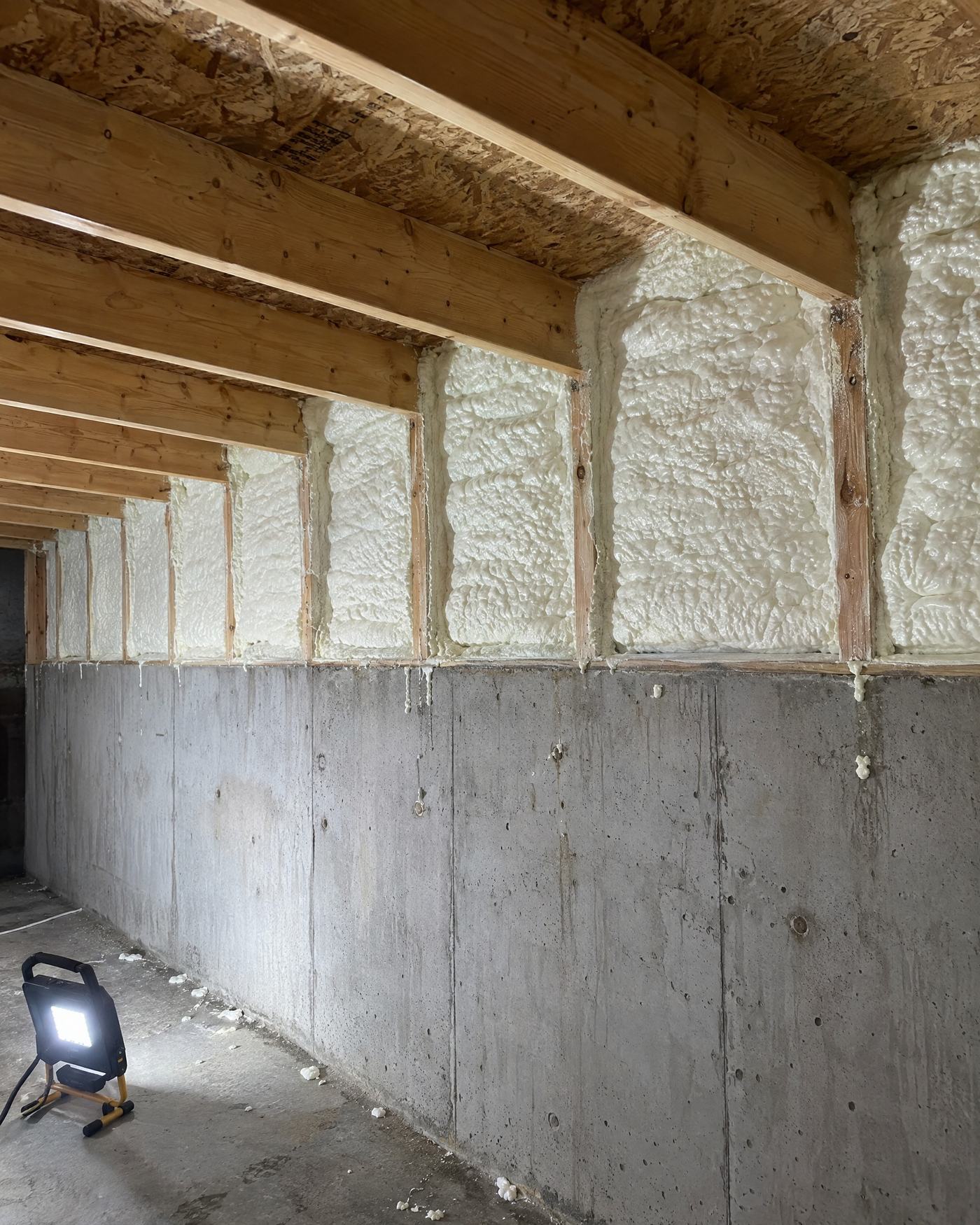
Closed-cell foam on basement walls and rim joists: warmer floors, no more drafts at the sill, and a basement that stops pulling cold into the house.
Learn more →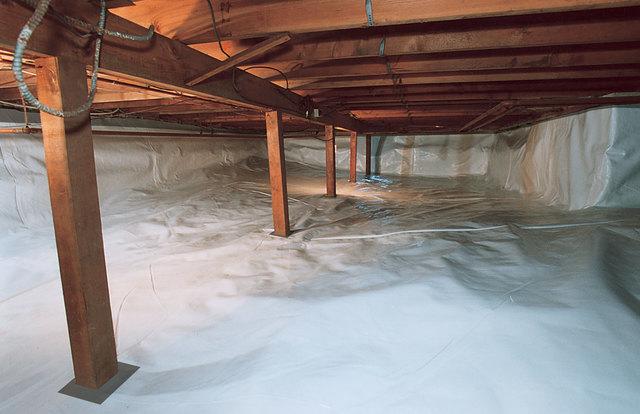
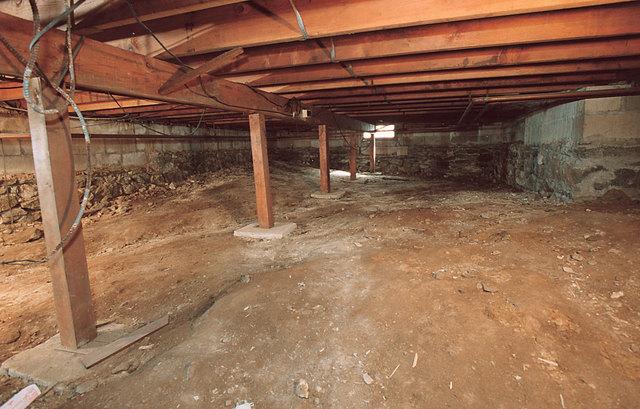
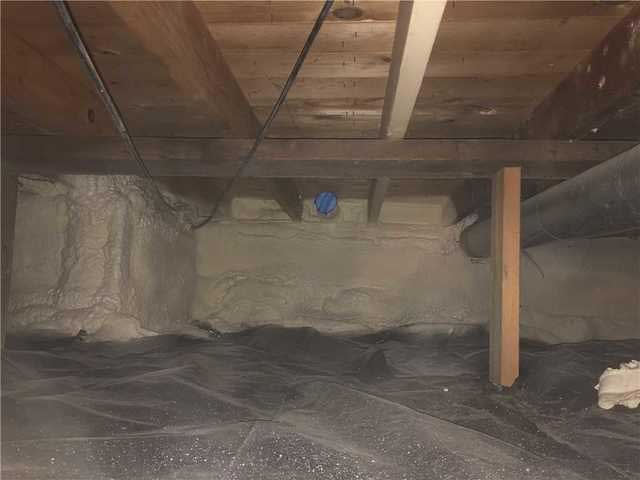
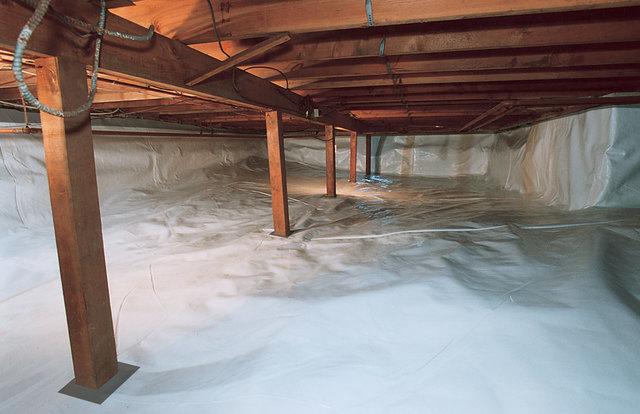
Seal a damp dirt-floor basement or crawl space with a heavy vapor barrier and foam-sealed walls. Drier air, no musty smell, warmer floors.
Learn more →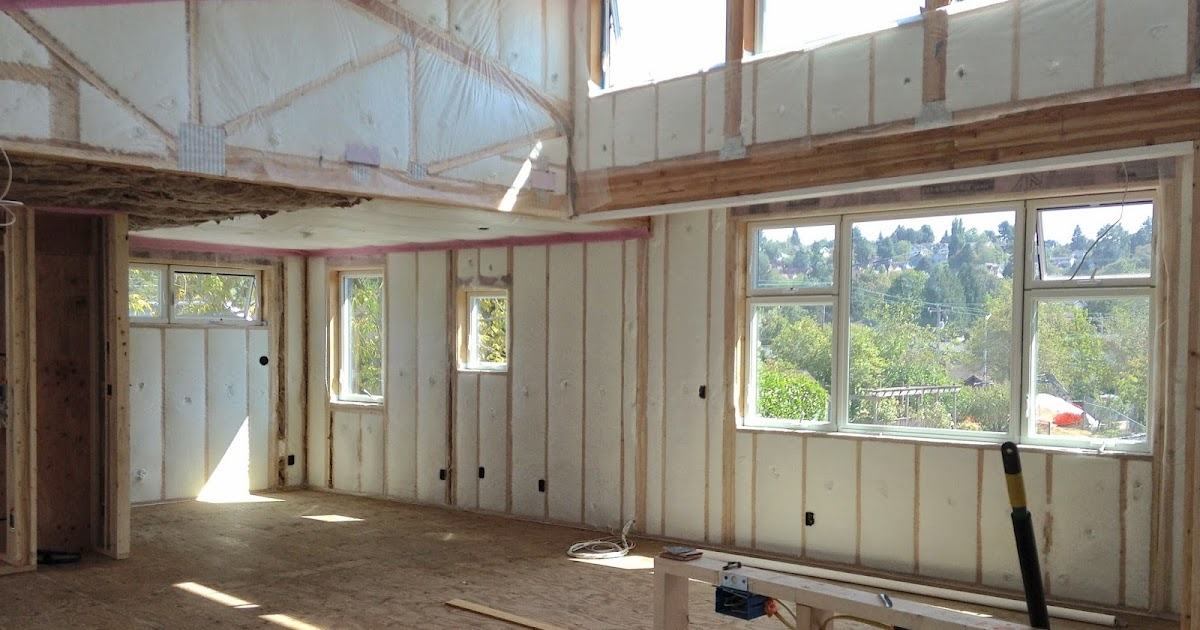
Spray foam in open walls for new construction, additions and remodels, and dense-pack cellulose for older homes with closed walls.
Learn more →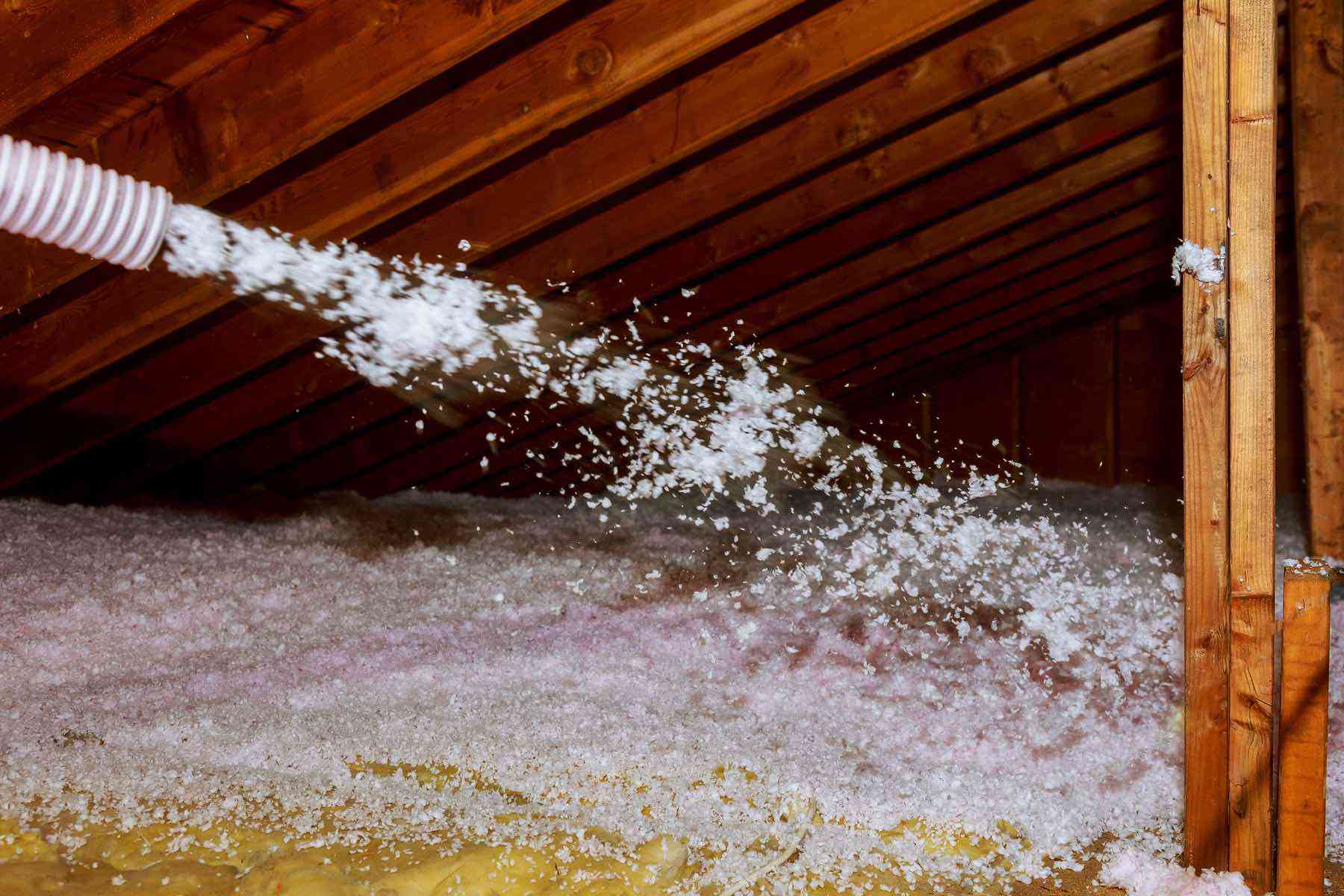
Blown-in cellulose for attics and dense-pack cellulose for closed walls: a cost-effective way to add a lot of R-value to an older Maine home.
Learn more →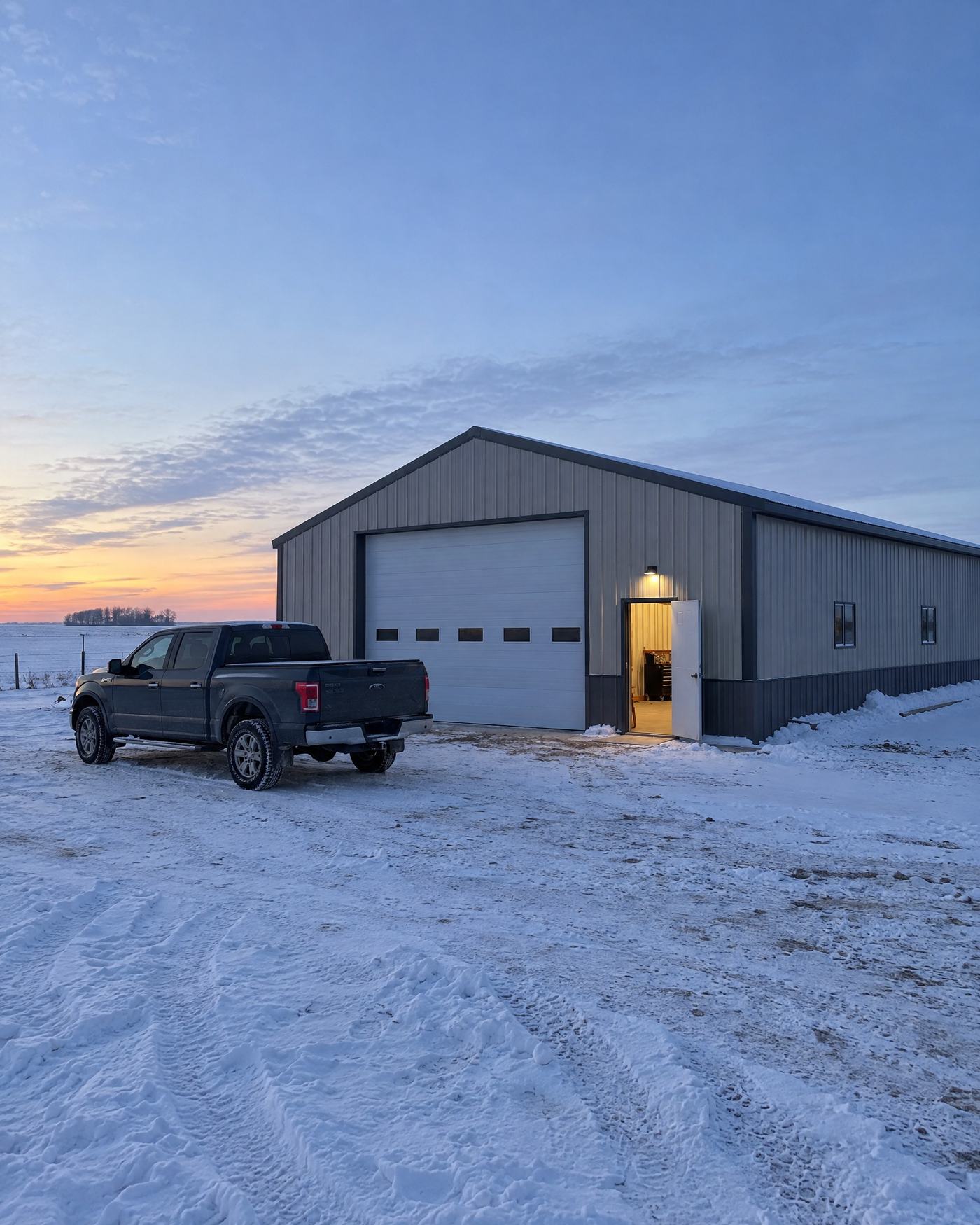
Closed-cell foam for garages, workshops, barns and metal buildings. Stops the roof from dripping and makes the space heatable in January.
Learn more →A real Central Maine basement, before and after. Ground moisture and cold air sealed out, foundation walls foamed.
A few of the attics, walls and buildings our crew has insulated around Lewiston–Augusta.
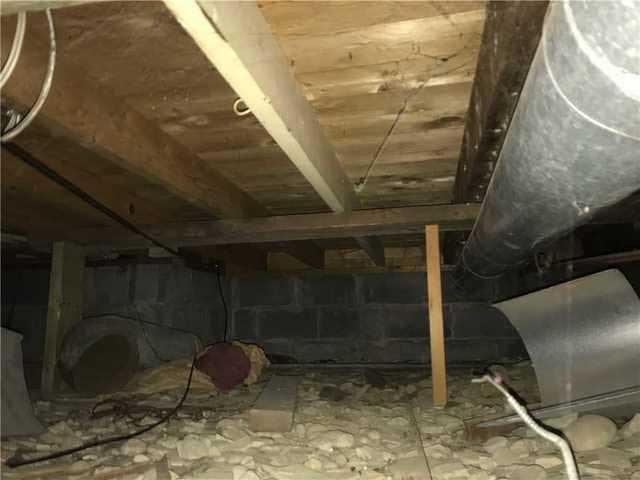
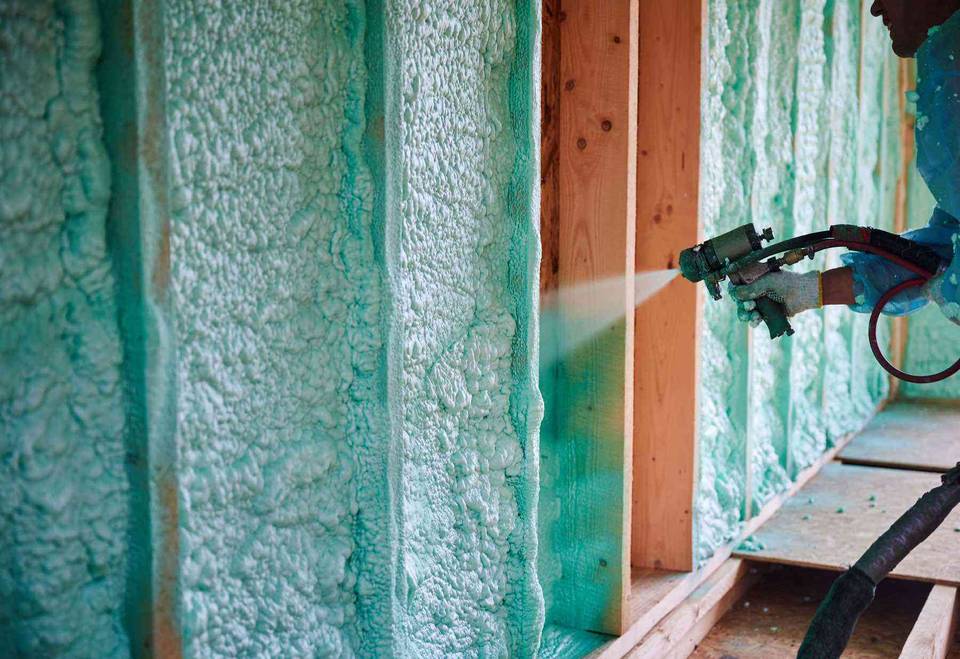
Homes, additions, shops and metal buildings. If air or heat is getting through it, we can seal and insulate it.
Attics & RooflinesBasement Walls & Rim JoistsBasement & Crawl Space EncapsulationWalls & New BuildsBlown-In CelluloseGarages, Shops & BarnsThey all say “insulation.” They don’t do the same job, and the right answer depends on where it’s going.
| Closed-Cell Foam | Open-Cell Foam | Fiberglass Batts | |
|---|---|---|---|
| R-value per inch | R-6 to R-7 | R-3.5 to R-3.8 | R-3 to R-4 |
| Air-seals as it insulates | ✓ | ✓ | — |
| Vapor retarder (at 1.5–2 in) | ✓ | — | — |
| Resists moisture | ✓ | — | — |
| Adds strength to walls and panels | ✓ | — | — |
| Absorbs sound | Some | ✓ | Some |
| Won't sag or settle | ✓ | ✓ | — |
| Cost per inch | $$$ | $$ | $ |
Central Maine Spray Foam is locally owned and operated. When you call, you talk to the people who will actually be in your attic, not a dispatcher three states away. We live here, we heat and cool our own homes through the same winters and summers, and that's why we don't cut corners on the part you can't see.
📞 (207) 407-5639Insulation and air sealing can qualify for Efficiency Maine rebates. We'll show you what you likely qualify for at the quote.
Insulation slows heat, but drafts walk right through it. We seal the leaks at the attic floor, rim joists and foundation first, then insulate.
Closed-cell foam for basements and rim joists, cellulose where it's the better value, open walls sprayed while they're open. Not one product for everything.
A veteran-owned local crew based in Monmouth. When you call, you talk to the people who'll actually be in your attic.
Dirt-floor and fieldstone basements, damp crawl spaces and drafty rim joists. Encapsulation is one of our favorite jobs.
Every area, the material and the thickness, in writing, before any work starts. No surprises on install day.
We look at your attic, basement and problem rooms, check for moisture, and measure every area.
Foam type, thickness and R-value for each area, and the price, all in writing. No pressure.
We protect and seal off the space, then spray to the quoted thickness, checking depth as we go.
The foam cures and the space ventilates for about 24 hours. Then we walk you through the finished job.
Spray foam is priced by the board foot: one square foot, one inch thick. That makes the cheapest bid easy to spot. It's almost always thinner foam, the wrong foam for the spot, or a quote that leaves out the ignition or thermal barrier your space needs.
We're not the cheapest, and we're not trying to be. Your written quote lists every area, the foam type, the thickness and the R-value, and we check depth as we spray. The number we quote is the number you pay.
Get My Free Written Quote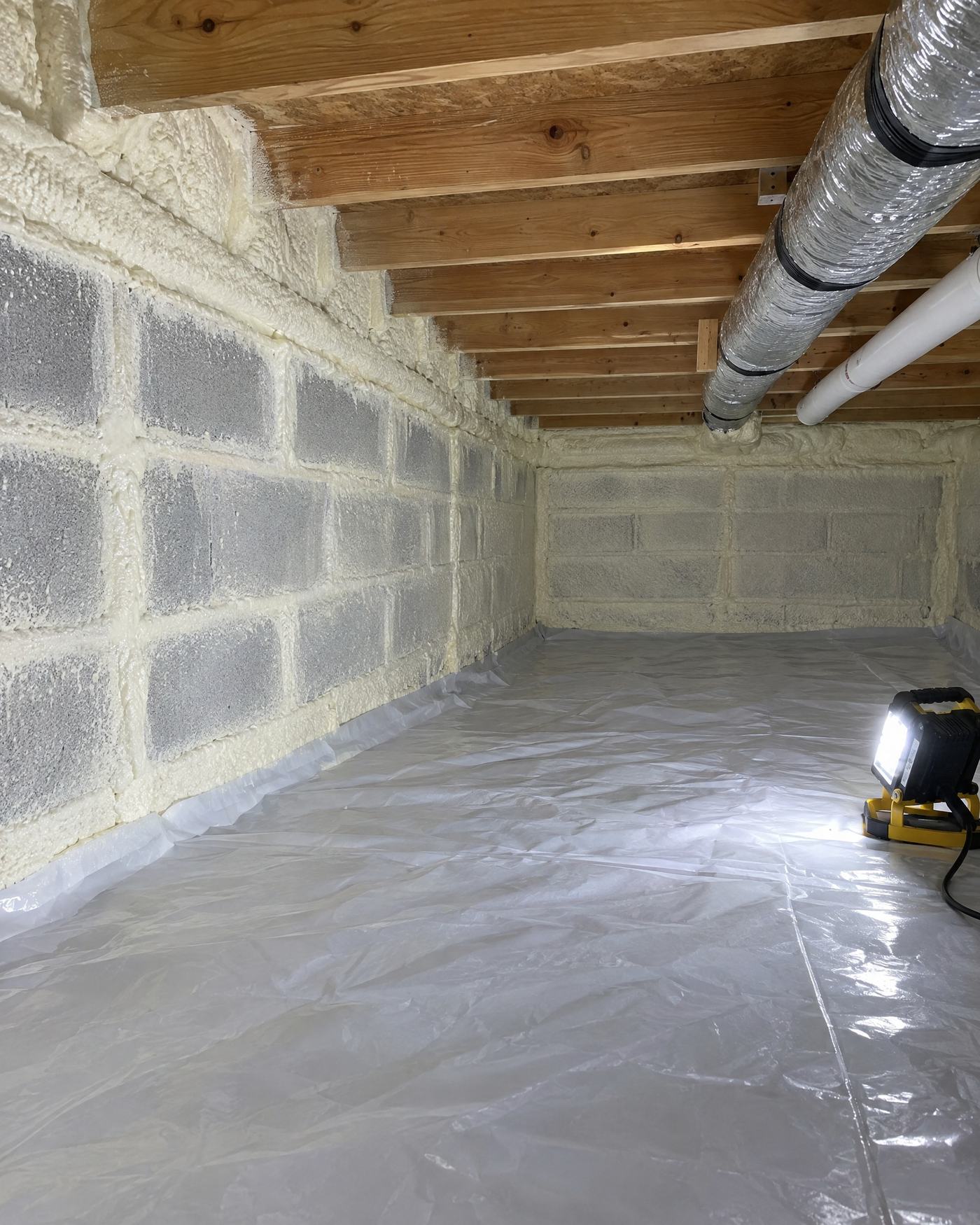
Most bad spray foam jobs go wrong for the same few reasons. Here’s what to check before you hand anyone a deposit:
More insulation on top of leaks doesn't stop drafts. A good installer seals the attic floor, rim joists and foundation before insulating.
A quote should list the material and the thickness or depth for each area. A low price with no thickness listed usually means thin insulation.
Efficiency Maine rebates can cover a real share of insulation and air sealing. Ask whether the installer will help you with the paperwork.
Foam in basements, attics and living areas may need a protective covering, depending on how the space is used. A pro knows the requirements.
Insulation isn't a fix for a leaking roof or a flooding basement. A good installer checks for water and tells you if something needs repair first.
Locally based and insulating homes and buildings from Lewiston-Auburn and Augusta to Waterville, Brunswick and Farmington.
Spray foam gets sold as a miracle and dismissed as overkill, and the truth is in between. Here's the plain-English version: what it is, where it pays off in a Maine winter, how it's quoted, and how to tell a good installer from a bad one.
Spray foam is sprayed as a liquid that expands into every gap and cures into a solid layer. That matters because most wasted energy in a house isn't heat moving through insulation. It's air leaking through gaps around lights, vents, wiring, top plates and rim joists. Fiberglass and loose fill slow heat but let air pass straight through. Spray foam stops the air and insulates at the same time.
Open-cell foam is light and soft, around R-3.5 to R-3.8 per inch. It air-seals, absorbs sound and costs less per inch, so it's the usual choice under attic roof decks and in interior walls. Closed-cell foam is dense and rigid, around R-6 to R-7 per inch. It resists moisture, acts as a vapor retarder at about 1.5 to 2 inches, and adds strength, so it's the choice for crawl spaces, basement rim joists, thin walls and metal buildings. Many homes use both.
In Central Maine the biggest wins are almost always at the top and bottom of the house. Warm air escapes through the attic floor (which also causes ice dams), and cold air is pulled in low through the basement, the rim joists and the foundation. Sealing and insulating the attic, then foaming the rim joists and foundation walls, stops that cycle. Damp dirt-floor basements and crawl spaces are next, and encapsulation keeps ground moisture out of the house. Open walls in a new build or addition are another, because you only get one chance to insulate them well, and for older closed walls, dense-pack cellulose fills the cavities without tearing them open. ENERGY STAR estimates homeowners save an average of 15% on heating and cooling costs by air sealing and adding insulation.
Spray foam is priced by the board foot: one square foot, one inch thick. What moves the number is the area, the foam type, the thickness and whether the space needs a protective barrier, so we don't quote over the phone. We measure in person and give you a free written quote that's firm before work starts.
Spray foam is safe once it's cured, but the application is a job for trained installers with the right gear and ventilation. Everyone in the home, including pets, stays out while we spray and for about 24 hours afterward. Depending on the space, building codes may require an ignition or thermal barrier over the foam, and we include that when it applies.
Ask which foam goes where and why, what thickness and R-value you're getting in each area, how long you'll need to stay out, and whether the quote includes any required barrier. If a bid can't answer those clearly, the low price is usually buying you thin foam.
Ready to find out what your home needs? Call (207) 407-5639 or request a free home assessment.
Get a free, no-obligation written quote from Central Maine’s local insulation crew, plus a look at the rebate you qualify for.
 Central Maine Spray Foam